Umrah is a sacred pilgrimage to Makkah that Muslims can perform at any time of the year. It involves a series of rituals, including Tawaf (circling the Kaaba) and Sa’i (walking between Safa and Marwah), symbolizing devotion and spiritual cleansing. Umrah holds great significance as a spiritual journey, offering Muslims the chance to seek forgiveness, strengthen their faith, and connect with Allah. Unlike Hajj, which is compulsory for those who can afford it and is performed only during specific dates in the Islamic calendar, Umrah is optional and can be performed more frequently.
1. Preparation Before Umrah
Before performing Umrah, spiritual and practical preparation is essential. Spiritually, pilgrims should focus on prayer, seeking forgiveness, and making a sincere intention to purify their hearts and minds for the journey ahead. Practically, this includes booking flights and accommodation in advance and securing the necessary travel documents, like a valid passport and Umrah visa. Packing is also important—bring Ihram garments (for men, two white sheets; for women, modest clothing), comfortable shoes, unscented toiletries, and other essentials like a small Quran and prayer mat. Proper preparation ensures a smooth and focused Umrah experience.
2. Entering the State of Ihram
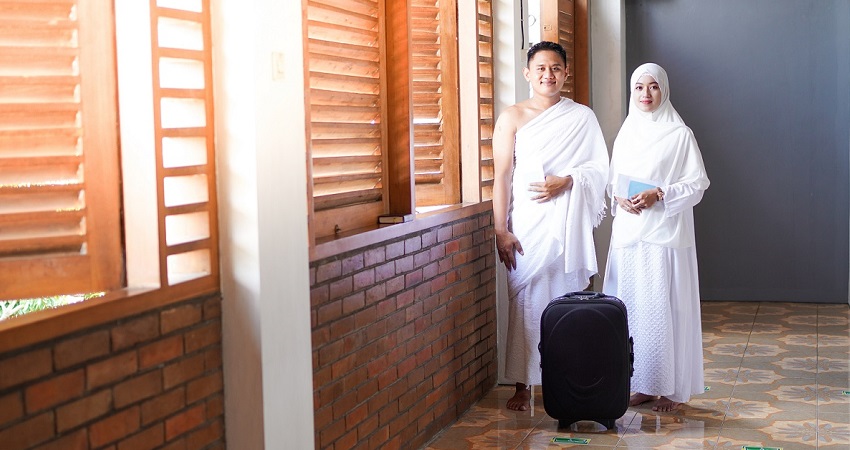
Entering the state of Ihram is the first step in starting Umrah, representing cleanliness and devotion to Allah. Men wear two white clothes, and women wear modest clothing that covers the body, but not the face or hands. Before putting on Ihram, pilgrims make an intention (Niyyah) by saying a prayer to begin Umrah. While in Ihram, there are certain rules: you cannot use perfume, cut your hair or nails, engage in marital relations or harm animals. These guidelines help pilgrims stay focused on the spiritual meaning of Umrah and remain pure during the journey.
3. The Tawaf (Circling the Kaaba)
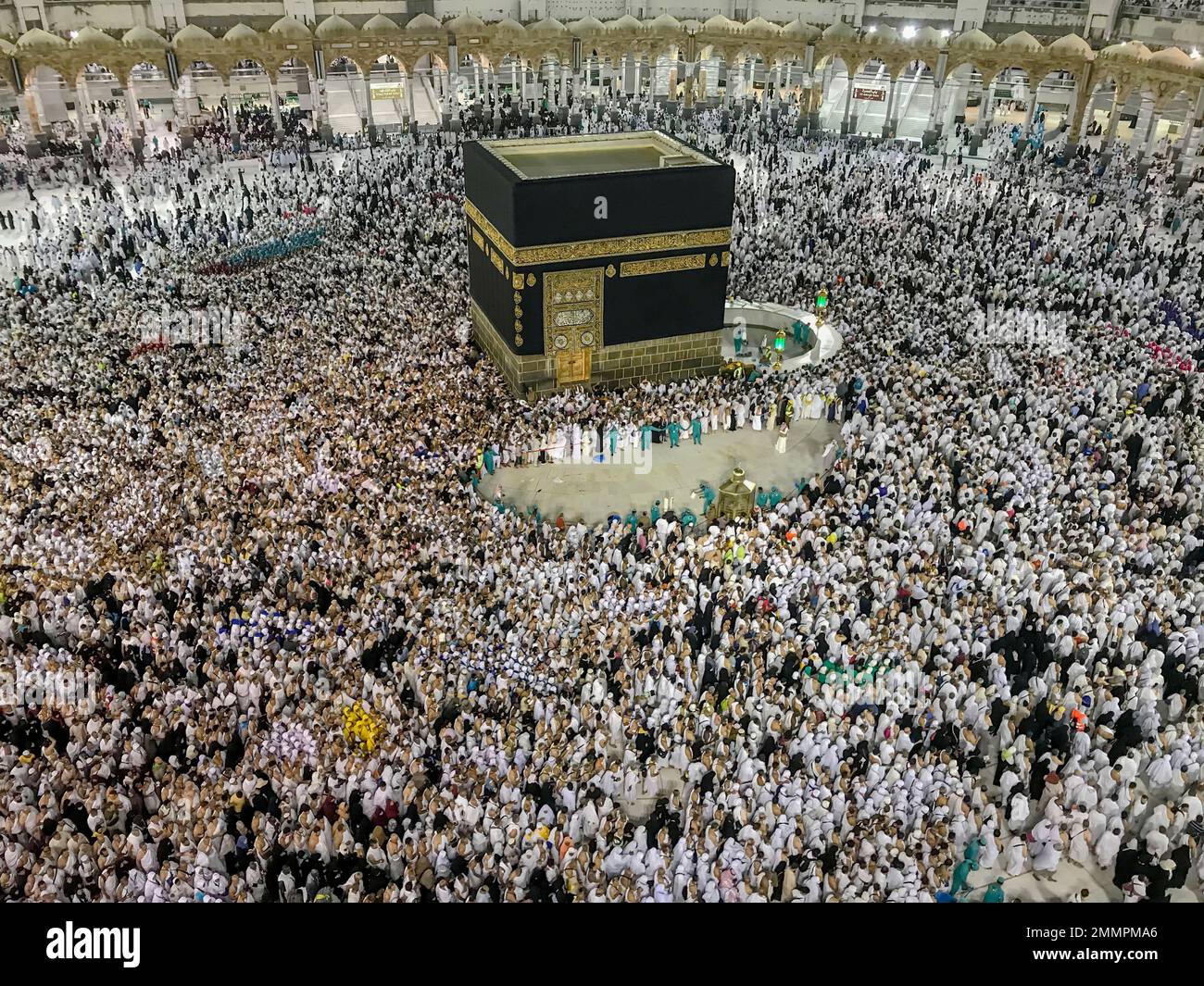
Tawaf is the act of walking around the Kaaba seven times in a counterclockwise direction. It is done as an expression of devotion to Allah and symbolizes the unity of believers in worshipping one God. To perform Tawaf, pilgrims start at the Black Stone, walk around the Kaaba seven times, and finish at the same point. During Tawaf, it is important to recite prayers or make personal supplications, asking for forgiveness, guidance, and blessings. This helps strengthen the spiritual connection with Allah and enhances the pilgrim's experience of Umrah.
4. Sa’i (Walking Between Safa and Marwah)
Sa’i is a symbolic act in Umrah that commemorates Hajar’s search for water for her son, Ismail. Left in the desert by Prophet Ibrahim, she ran between the hills of Safa and Marwah, trusting in Allah for sustenance. Pilgrims reenact this by walking between these two hills seven times. To maintain focus, pilgrims can recite prayers or reflect on Hajar’s unwavering faith. Staying hydrated, wearing comfortable shoes, and pacing yourself can help conserve energy during the walk. Sa’i reminds pilgrims of perseverance and trust in Allah's plan, making it a deeply spiritual experience.
5. Shaving/Cutting Hair (Tahallul)
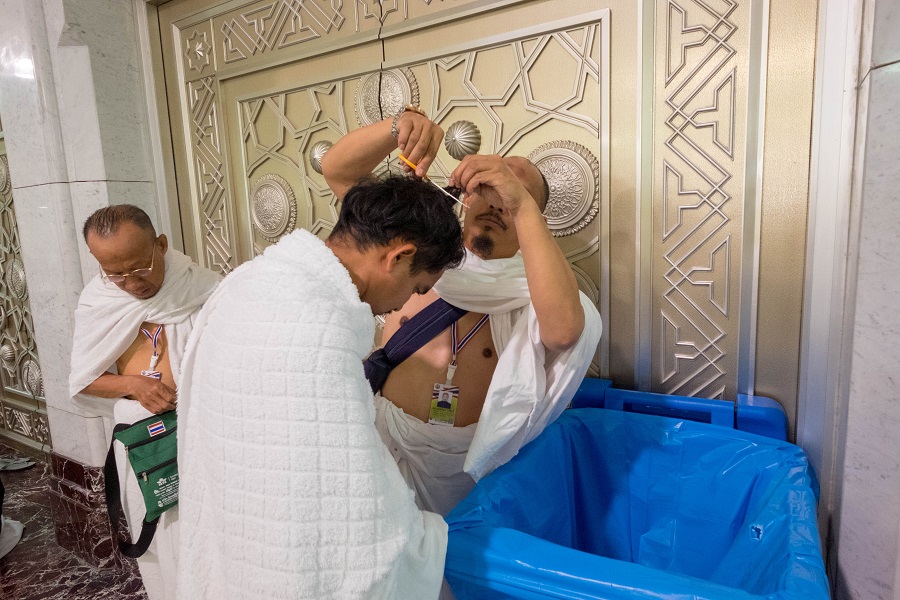
At the end of Umrah, men shave their heads, while women trim a small portion of their hair in an act called Tahallul. This ritual symbolizes spiritual purification and the completion of the pilgrimage. By removing hair, pilgrims signify their submission to God and the shedding of past sins, starting fresh in their faith. It also marks the end of the state of Ihram, releasing pilgrims from the restrictions they observed during Umrah. After Tahallul, normal activities like grooming and wearing regular clothes can resume, marking the successful completion of the sacred journey.
6. Additional Tips for a Smooth Umrah
First-time pilgrims should focus on staying hydrated, especially in hot weather, by drinking plenty of water. Patience is key, as the holy sites can be crowded, and the rituals may take time. Always be respectful and considerate of others, allowing space and time for everyone to complete their worship. To perform Umrah multiple times, one must re-enter the state of Ihram, usually by visiting the nearest Miqat (boundary). Between Umrah rituals, take moments to rest and reflect, ensuring that both body and spirit remain refreshed and focused throughout the journey.
Conclusion
Umrah is a special journey for Muslims to get closer to Allah, ask for forgiveness, and renew their faith. Even though it’s not required like Hajj, it brings many blessings and rewards. To have a meaningful experience, it’s important to prepare both spiritually, by praying and asking for forgiveness, and physically, by being ready for the activities. Umrah offers many rewards, such as earning Allah’s mercy and having sins forgiven. It’s a powerful and rewarding journey for anyone who performs it with a sincere heart.
.png)
