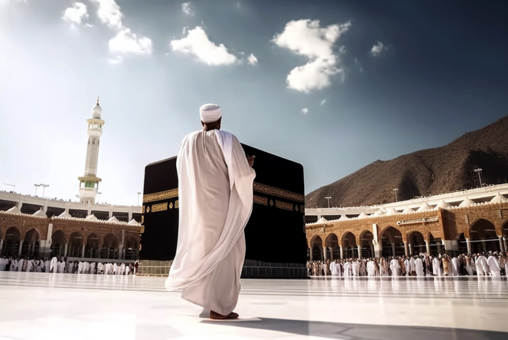
Performing Umrah during Ramadan is a dream for many Muslims, as the rewards are believed to be multiplied during this holy month. However, travelling during Ramadan comes with its own set of challenges. To help you decide whether it’s worth performing Umrah during Ramadan, let’s explore the pros and cons.
Pros of Performing Umrah During Ramadan
- Increased Spiritual Rewards
The Prophet Muhammad (PBUH) said, “The best of deeds is to believe in Allah.” Ramadan is a month of heightened spirituality, and performing Umrah during this time is equivalent to completing Hajj in terms of reward. Every prayer, dua, and act of worship carries greater significance. - A Unique Atmosphere
Makkah and Madinah come alive during Ramadan. The mosques are beautifully decorated, and the sense of unity among pilgrims is unparalleled. Taraweeh prayers at Haram are particularly special, as longer portions of the Quran are recited each night. - Opportunities for Charity
Ramadan emphasizes giving to those in need. Many pilgrims distribute food, water, and money to the less fortunate, earning immense blessings. You’ll find numerous opportunities to contribute to charitable causes during your stay. - Fasting in the Holy Cities
Fasting in Makkah and Madinah adds a deeper layer of devotion to your spiritual practice. Breaking your fast near Haram and sharing meals with fellow pilgrims creates unforgettable memories. - Less Focus on Materialism
During Ramadan, commercial activities slow down, allowing you to focus entirely on your faith. This simplicity enhances the spiritual essence of Umrah.
Cons of Performing Umrah During Ramadan
-
Overcrowding
Millions of Muslims flock to Makkah and Madinah during Ramadan, leading to overcrowded mosques and limited space for rituals like Tawaf and Sa’i. Navigating through large crowds can be physically exhausting and emotionally draining. - Higher Costs
Due to increased demand, flights, accommodations, and other services become significantly more expensive during Ramadan. Budget-conscious travellers may find it challenging to afford premium packages. - Limited Food Options Outside Iftar
Restaurants and cafes operate on reduced hours during Ramadan, serving only suhoor (pre-dawn meal) and iftar (breaking of the fast). Finding food outside these times can be difficult, especially for elderly or sick pilgrims who may need sustenance throughout the day. - Physical Strain
Combining fasting with the physical exertion of Umrah can be taxing, especially in the hot climate of Saudi Arabia. Dehydration and fatigue are common concerns, requiring careful planning and preparation. - Restricted Mobility
With larger crowds comes restricted mobility. Moving between Haram and your hotel, or visiting ziyarat sites, may take longer than usual. Patience and flexibility are essential to handle delays gracefully.
Tips for a Successful Ramadan Umrah
- Book Early: Secure your package well in advance to avoid last-minute price hikes and availability issues.
- Stay Hydrated: Drink plenty of water during suhoor and carry a refillable bottle for sips after breaking your fast. Keep Energy Levels Up**: Eat nutrient-rich foods during suhoor and iftar to sustain energy throughout the day.
- Plan Ahead: Research peak timings for Tawaf and Sa’i, and try to perform these rituals during less crowded hours, such as late nights or early mornings.
Final Thoughts
Performing Umrah during Ramadan offers unparalleled spiritual benefits but requires careful consideration of the challenges involved. If you’re physically fit, financially prepared, and mentally ready to embrace the unique atmosphere, it can be a life-changing experience. At Way 2 Umrah Services, we specialize in crafting tailored Ramadan packages to ensure a smooth and rewarding journey. Let us help you make the most of this blessed opportunity.