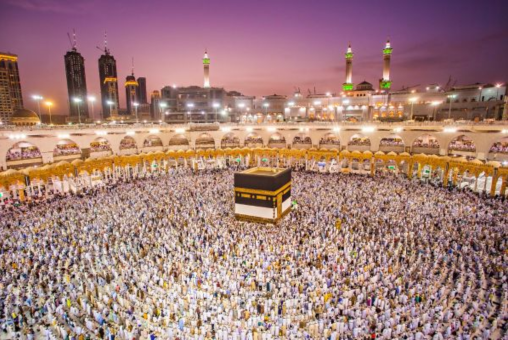
Performing Umrah is not just a spiritual journey; it’s also an opportunity to immerse yourself in the rich culture of Saudi Arabia. As an Indian pilgrim, understanding local customs and etiquette will help you navigate the country respectfully and comfortably. Here are some important dos and don’ts to keep in mind during your Umrah trip.
Dos: Respecting Local Customs
- Dress Modestly
Saudi Arabia follows strict Islamic dress codes, especially for women. Men should wear loose-fitting clothes that cover their bodies, while women must wear an abaya (a long black cloak) and a headscarf. Ensure your clothing is modest and respectful at all times. - Greet Locals Politely
Saudis value politeness and hospitality. Greet people with “As-salamu alaykum” (peace be upon you), and respond with “Wa alaykum as-salam” (and peace be upon you too). A warm smile and respectful demeanour go a long way. - Follow Prayer Timings
Prayer is an integral part of daily life in Saudi Arabia. Be mindful of prayer times, as many businesses and shops close temporarily during these periods. Use this time to reflect or join in prayer if you’re comfortable doing so. - Respect Religious Practices
Avoid eating, drinking, or smoking in public during Ramadan, as it’s considered disrespectful. Similarly, refrain from playing loud music or engaging in behaviour that might disrupt others’ worship. - Accept Hospitality Gracefully
Saudis are known for their generosity. If someone offers you tea, coffee, or food, accept it graciously—even if it’s just a small sip or bite. Declining outright may be seen as rude. - Learn Basic Arabic Phrases
While many Saudis speak English, knowing a few Arabic phrases can enhance your interactions. Simple words like “Shukran” (thank you) and “Afwan” (you’re welcome) show respect for the local language.
Don’ts: Things to Avoid
- Don’t Criticize Religion or Culture
Saudi Arabia is deeply rooted in Islamic traditions. Avoid making negative comments about religion, culture, or local practices, even in jest. Such remarks can offend locals and create unnecessary tension. - Don’t Take Photos Without Permission
Photography is generally allowed in public areas, but avoid taking pictures of people without their consent. It’s also prohibited to photograph government buildings, military installations, or religious sites like the Kaaba. - Don’t Engage in Public Displays of Affection
Public displays of affection, such as holding hands or kissing, are frowned upon in Saudi culture. Maintain decorum and reserve intimate gestures for private settings. - Don’t Bring Prohibited Items
Certain items are banned in Saudi Arabia, including alcohol, pork products, and non-Islamic religious materials. Check the list of prohibited goods before packing to avoid issues at customs. - Don’t Ignore Gender Segregation Rules
In many public spaces, men and women are segregated. For example, restaurants and prayer areas often have separate sections. Follow these guidelines to avoid misunderstandings. - Don’t Rush During Rituals
Umrah involves several rituals, such as Tawaf and Sa’i. Be patient and take your time to complete them properly. Rushing through the process can detract from its spiritual significance.
Cultural Insights for Indian Pilgrims
- Food Etiquette: When dining with locals, use your right hand to eat, as the left hand is considered unclean. Also, finish what’s on your plate—it’s a sign of appreciation.
- Time Management: Saudis tend to have a relaxed approach to time, especially for social gatherings. Be flexible and patient if things don’t run on schedule.
- Tipping Practices: Tipping isn’t mandatory but is appreciated in restaurants and hotels. Round up the bill or leave a small amount as a gesture of gratitude.
Final Thoughts
Understanding and respecting Saudi Arabian culture enriches your Umrah experience and fosters positive interactions with locals. By following these dos and don’ts, you’ll demonstrate humility and courtesy, which are highly valued in Islam. At Way 2 Umrah Services, we’re here to guide you every step of the way, ensuring a culturally enriching and spiritually fulfilling journey.