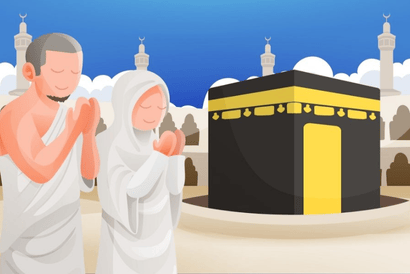
Ihram is a sacred state that Muslims enter when performing Hajj or Umrah. It represents purity, equality, and devotion to Allah, marking the beginning of the pilgrimage rituals. Understanding the rules of Ihram is essential for a smooth and spiritually fulfilling journey.
Entering the State of Ihram
How to Make the Niyyah (Intention)
Before entering Ihram, pilgrims must make a clear intention (niyyah) to begin the pilgrimage. This act is a personal commitment to undertake the sacred journey with sincerity and devotion.
Wearing the Ihram Garments
- Men’s Dress Code: Men wear two unstitched white clothes—one around the waist and another over the shoulder.
- Women’s Dress Code: Women wear modest clothing that covers the entire body except for the face and hands.
Recitation of Talbiyah
Pilgrims recite the Talbiyah prayer to announce their intention. The words are:
“Labbayk Allahumma labbayk. Labbayka la shareeka laka labbayk. Innal hamda wan ni'mata laka wal mulk, la shareeka lak.”
This translates to: “Here I am, O Allah, here I am. There is no partner with You. Here I am. Verily all praise, grace, and sovereignty belong to You. You have no partner.”
Rules of Ihram
What is Prohibited in Ihram?
- Grooming: Cutting hair, trimming nails, or using perfumes is forbidden.
- Harming Animals: Hunting or harming any living creature is prohibited.
- Engaging in Marital Relations: Physical intimacy or any related behaviour invalidates Ihram.
- Wearing Stitched Clothing (for Men): Men cannot wear clothes with stitches or any fitted garments.
- Covering the Face (for Women) or Head (for Men): Women must not cover their faces, and men cannot cover their heads.
What is Allowed in Ihram?
-
Eating, drinking, and maintaining basic hygiene are permitted.
-
Taking medication for legitimate health reasons is allowed.
What Invalidates Ihram?
Intentional Violations
Acts like wearing forbidden clothing, using perfume, or engaging in marital relations knowingly break Ihram and require compensation.
Unintentional Mistakes
If rules are violated unintentionally or out of necessity, the pilgrim should consult a scholar for guidance. These incidents often require a compensatory act (Dam).
Consequences and Compensation
-
Dam (Penalty): Pilgrims must offer a sacrifice, usually a sheep or goat, for violating the rules of Ihram.
- Repentance: Sincere repentance is necessary for any transgressions.
Tips for Maintaining Ihram
-
Avoid Distractions: Stay focused on the spiritual significance of Ihram.
-
Keep a Checklist: Note down the do’s and don’ts to avoid accidental violations.
Conclusion
Ihram is a powerful symbol of humility and unity. By adhering to its rules, pilgrims can experience the spiritual essence of Hajj or Umrah. Mindfulness and preparation are key to making the most of this sacred state.